Protect libraries, leisure, green spaces and culture - and hold Thames Water to account
We will protect Reading's libraries, leisure centres and cultural venues from cuts, and use every lever available to us as a planning authority to push back against Thames Water's sewage dumping and supply failures. This is a company so badly run it has lurched towards temporary nationalisation while continuing to discharge sewage into our rivers - at a time when over 380,000 sewage discharge incidents took place across England and Wales last year, totalling 2.65 million hours, even during a year of drought.
Every community needs “third spaces” - places that aren’t home or work, where people can meet a friend, do homework or just be around others without being expected to spend money. Reading is losing them: library hours have already been cut, community centres sit locked unless someone pays to hire them, and community cafés and pubs are closing. We will make sure library hours are not cut again and open Council community centres for regular drop-in sessions, not just bookings. But the Council can’t do it alone. We will turn the winter-only warm spaces list into a year-round network of welcoming spaces, backed by small grants so churches, cafés and community groups can open their doors for longer. And we will help communities protect valued venues as Assets of Community Value, and use major developments to secure genuinely public space.
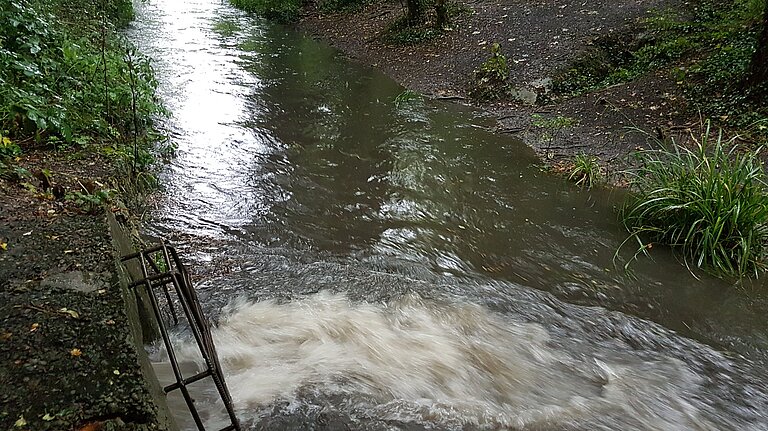
Liberal Democrat pressure has already brought Thames Water back before the Council’s environment committee in November 2026 to answer for rising discharges into the Foudry Brook – 14 spills totalling 168.5 hours in 2025, almost double what they told councillors to expect. One appearance isn’t enough. We will invite Thames Water back every year to account for their performance, and make it public if they refuse. And we will use the Council’s planning powers to make sure new development doesn’t go ahead faster than the sewage network can cope with.
We will also put Reading's parks and green spaces to work for nature and for residents - registering Council-owned green spaces as Biodiversity Net Gain habitat banks, so that developer investment funds the long-term enhancement of Reading's parks and green corridors for decades to come, while delivering real improvements for wildlife and biodiversity across the borough. Liberal Democrat-run Hinckley & Bosworth Borough Council has already shown this can work, securing 30 years of habitat enhancement through exactly this approach.
Reading’s parks deserve permanent protection - not just good intentions. None of Reading’s most prominent parks is legally protected against sale or development. We will apply for Fields in Trust Deed of Dedication protection, giving communities a permanent, binding guarantee that these spaces cannot be lost to future development. It costs virtually nothing for a public landowner to do - just Land Registry fees. There is no excuse for leaving our most-loved parks unprotected.
We will also co-design an Open Spaces Charter with Reading’s communities - a formal partnership agreement between the Council and residents setting out shared standards, expectations and commitments for how Reading’s green spaces are managed, used and improved. This is what Labour refused to do after committing to it at a public Accountability Assembly in 2026: the administration acknowledged the ask, then quietly did nothing. We will honour that commitment. The charter will prioritise safety in Reading’s most-used parks - improving lighting that works for wildlife as well as people, better seating, and clearer signage both setting out the rules and signposting residents to help when they need it.
Reading's play areas tell their own story of neglect - cracked surfacing, rusting equipment, and facilities that haven't seen meaningful investment in years, in some of the borough's most deprived neighbourhoods. Too many of these spaces are also inaccessible to disabled children, who are locked out of play simply because of poor design. Play is not a luxury; it's essential for every child's health and development, and every family deserves a safe, well-maintained, inclusive place for their kids to play, regardless of which ward they live in or what their needs are. We will commit to a rolling refurbishment programme for Reading's play areas, prioritised by condition and need, with accessibility built in as standard rather than an afterthought — including surfacing, sensory equipment, and wheelchair-accessible roundabouts and swings - and publish a clear timeline so residents can see when their local playground is due for investment.
Reading has a plan to plant 3,000 trees by 2030 - but no target for what that actually means for canopy cover until 2050, leaving residents with no way to judge whether the gaps in the parts of town that need it most are actually closing. We will push for meaningful interim canopy-cover targets, with transparent annual reporting by ward - so that communities can see whether progress is real.
Climate change is also making flooding worse - and Reading is not immune. The number of homes at risk of flooding in our town could double under future climate projections, yet the Council has no specific commitment to accelerate flood resilience in the parts of town most exposed. We will strengthen and enforce sustainable drainage requirements in new planning permissions - making Sustainable Draining Systems (SuDs) a firm condition rather than a box-ticking exercise, and making sure residents in flood-risk areas have the information and support they need to protect their homes.
Reading's parks, verges and roundabouts are still largely maintained for a climate that no longer matches our summers. Mown grass and traditional bedding displays need constant watering and replacing every year, at real cost to the Council and with little benefit for wildlife. We will shift Council planting toward climate-resilient, drought-tolerant perennial and native species in parks, verges and roundabouts - cutting water use, reducing mowing and bedding-replacement costs, and supporting pollinators and biodiversity at the same time.
Reading’s parks, verges and public spaces are still routinely sprayed with glyphosate weedkiller — a chemical linked in peer-reviewed research to increased cancer risk and harm to children’s development. Although the Council stopped routine spraying in children’s playgrounds several years ago, it continues to use glyphosate on highways, housing land and — through its Grounds Maintenance SLA — on the grounds of 11 Reading schools, with treatments scheduled during school holidays. Liberal Democrat-run councils including Bath & North East Somerset have banned glyphosate outright. Edinburgh has been managing its green spaces without it since April 2024. We will commit Reading to a formal, time-bound phase-out plan — starting with school grounds and areas most frequented by children — backed by an integrated weed management approach that tackles the root cause of weed growth rather than simply treating the symptoms.