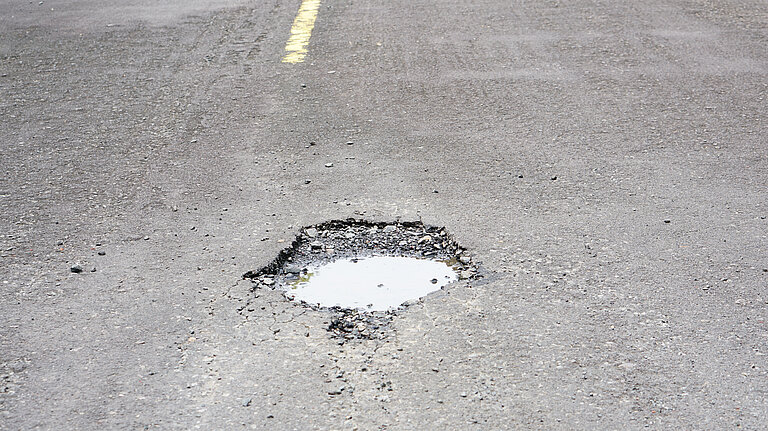
Fix our roads, clean our streets, tackle antisocial behaviour and get Reading moving
We will keep Reading's roads well maintained, clean up our streets, crack down on antisocial behaviour, and make sure every part of the town has the bus service it deserves.
Labour's own enforcement figures expose how thin this crackdown really is. Since the Council's Public Spaces Protection Order came into force in March 2026, the vast majority of warnings issued have related to alcohol and begging - anti-social e-bike and e-scooter use, one of the most consistently raised concerns from residents, accounts for only a small fraction of enforcement action. Not a single Fixed Penalty Notice has been issued under the order at all. A PSPO that exists on paper but isn't backed by real enforcement doesn't protect residents — it just gives Labour a headline. We will ensure PSPO enforcement is properly resourced, that Fixed Penalty Notices are used where warnings alone aren't working, and that enforcement data is published by ward so residents can see whether action matches the scale of the problem in their neighbourhood.
We will end Labour's retreat from cycling - delivering joined-up cycling infrastructure that connects Reading's fragmented cycle routes into a network people will actually use, and making sure Active Travel England funding is spent on a coherent network rather than piecemeal schemes. With the Government targeting 60% of children cycling or walking to school by 2035, we will make sure Reading's school routes are safe enough for parents to choose them.
Sidmouth Street is the clearest example of what's wrong with Labour's approach: a cycle lane installed with COVID funding is now being partly stripped out to create extra space for traffic - infrastructure built one year and dismantled the next. This stop-start approach to active travel damages public trust and wastes public money. We will commit to maintaining and improving existing cycle infrastructure, not removing it whenever a different scheme needs the space - and we will make sure the £575,000-a-year, four-year Active Travel England settlement RBC has secured is used to build one connected network, not another set of isolated, disconnected routes.
Liberal Democrat-run Watford - the first district council in the country to launch a bike share scheme - shows what real investment looks like: after adding 120 new e-bikes to its fleet this year, the scheme recorded its busiest month ever. That's the kind of practical, well-resourced cycling offer Reading residents deserve, not infrastructure installed one year and stripped out the next.
Liberal Democrat-run Portsmouth City Council has introduced a "bus stop standard" that audits and categorises every one of its 579 stops - from basic stops with raised kerbs and real-time information, up to "super stops" with smart lighting, cycle-hire integration and wi-fi. It's a long-term investment tool that directs funding to where it does the most good, rather than the piecemeal approach Reading residents currently experience. We'd introduce the same approach here, starting with the stops serving our most under-invested wards.
Reading's 20mph zones are stuck in the slow lane, each one requiring costly engineering works before it can be approved - which is why residents on streets like Northcourt Avenue and the Amersham Road estate have had to campaign for years just to get one road done. Lib Dem-run Hertfordshire County Council has shown a better way: sign-led 20mph zones, physical calming only where a road genuinely needs it, delivering nearly 300 new zones for the same money the previous administration spent on fewer than a hundred. Critics will say a limit means nothing without enforcement, but that gets it backwards - government guidance already requires these schemes to be self-enforcing by design, and when Wales introduced a default 20mph limit, casualties fell 26% in the first year with no extra policing at all. We will roll out the same sign-led approach here, prioritising residential streets and school routes, backed by expanded Community Speedwatch and speed indicator devices so new zones don't have to wait on scarce police time to save lives.
We will also bear down on the everyday neglect that makes Reading feel untidy and unsafe - faded road markings, dirty and overgrown signs, blocked drains and vegetation obscuring sightlines for drivers and cyclists. Liberal Democrat-run Somerset Council has committed £5 million over three years to tackle exactly these issues, and Liberal Democrat-run West Sussex County Council has gone further still, launching a dedicated Highway Ranger team - a targeted crew working street by street to clear overgrown vegetation, clean signage and unblock drains, starting in Worthing in August 2026 and rolling out countywide by March 2027. Reading deserves the same attention to detail, backed by the same kind of dedicated resource to actually deliver it.
Labour's 'pavement improvement' scheme is cosmetic only - it can't be used on footways that are actually failing. In Reading, we need proper repairs for the pavements residents are tripping on, not a surface seal on the ones that are already fine.
Pavement parking is putting pedestrians at risk across Reading - especially around schools, cycle lanes and for residents with limited mobility - and Labour has no plan to fix it. Liberal Democrat-run Oxfordshire County Council has already taken the lead nationally, calling on the Government to create the enforcement powers councils need to tackle pavement parking properly. We will add Reading's voice to that call, and commit Reading to a pavement parking enforcement scheme that is cost-neutral to the Council and tailored to what different neighbourhoods actually need - developed in consultation with disability and mobility groups from the outset, not as an afterthought. We will also write to the Minister for Local Transport, as Liberal Democrat councils elsewhere already have, to press for the resources councils need to enforce these powers effectively once they exist. This sits alongside the Government's own recent tougher stance on street-level enforcement - fly-tipping and littering fines have just been sharply increased nationally - and shows the direction of travel: councils need proper powers and proper penalties to keep streets and pavements usable, and Reading residents deserve a Council that uses them.
The Government's own new Neighbourhood Guarantee, announced in May 2026, sets out minimum national standards for exactly these everyday services - clean streets, repaired potholes, safe high streets - and will publish Council performance data through a new Local Outcomes Framework so residents can see how their area measures up. Reading shouldn't need a national scheme to tell us what good looks like, but we will use that data, the moment it's published, to hold this Council to the same standard its own Government is now holding it to.